What is Chengdu Famous For? Your Ultimate Travel Guide to Pandas, Hotpot & Slow Living
Chengdu is famously known as a city you “never want to leave.” What is Chengdu famous for? It’s the global home of giant pandas, a UNESCO City of Gastronomy, and a captivating mix of 3000 years of history with a uniquely laid-back, modern energy. This guide breaks down exactly what Chengdu is famous for with the must-have experiences and practical tips for an unforgettable chengdu travel experience.
Meeting the Icons: A Day with Giant Pandas
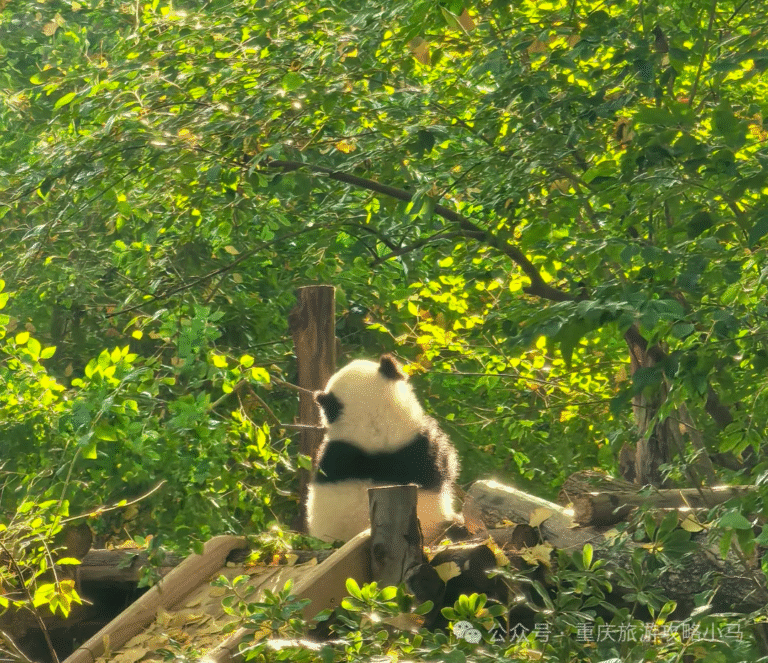
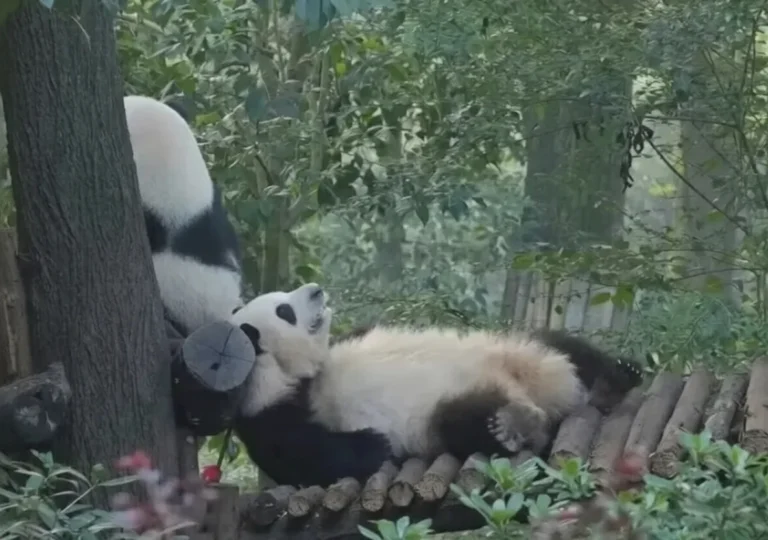
Your first stop answers the biggest question about what Chengdu is famous for: its adorable black-and-white ambassadors. A visit here is a cornerstone of any chengdu 3 day itinerary.
You have three main choices to see them.
Chengdu Research Base of Giant Panda Breeding (The Top Choice)
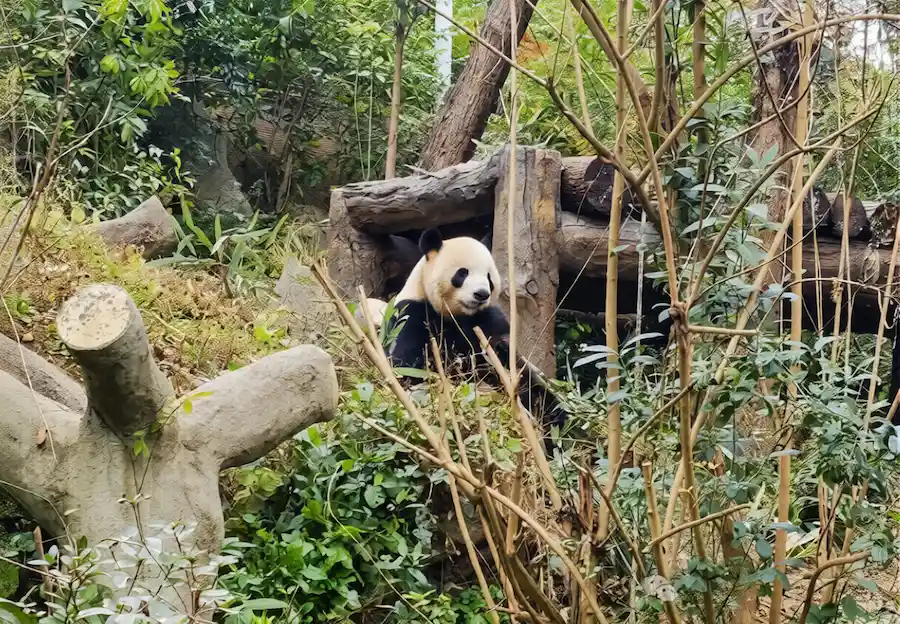
This is the world’s largest and most famous panda conservation and research center. With over 200 pandas, you can see them at all ages, from tiny cubs to lazy adults. The celebrity panda Hua Hua lives here. The base is designed to mimic their natural habitat.
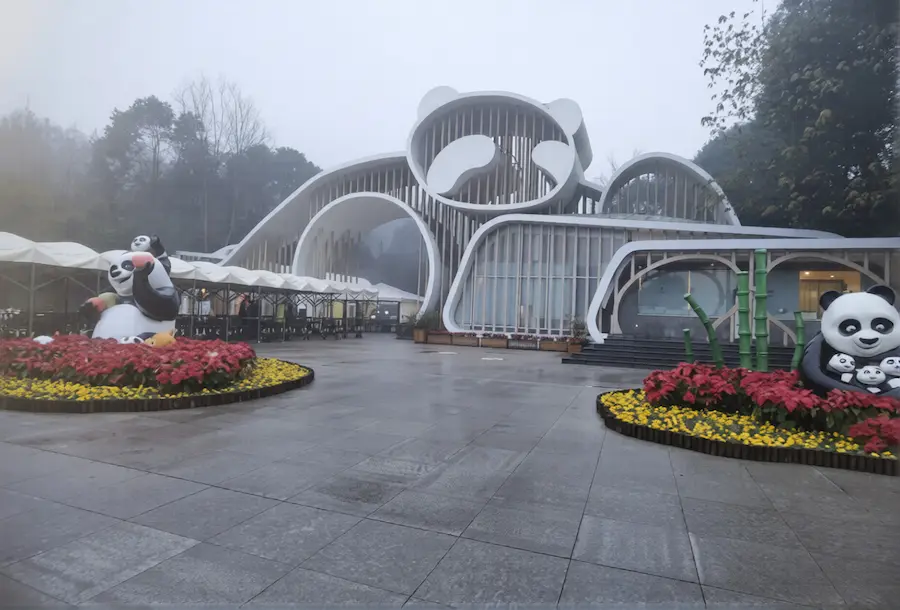
Go as early as possible.The gates open at 7:30 AM. Pandas are most active and feed in the morning, especially before 9 AM. The West Gate (newer area) often has shorter lines than the South Gate. Many pandas nap in the afternoon.
Dujiangyan Panda Valley
Located in Dujiangyan city, this spot is more secluded and less crowded. It features a “semi-wild” environment where you walk along trails to see pandas (around 10 of them) in a forest setting. The star panda here is Mei Lan.
It’s perfect if you prefer nature and quieter spaces. Take a high-speed train from Chengdu to “Lidui Park” station, then a short taxi ride.
Chengdu Zoo
This is the cheapest and most convenient option (reachable by subway). However, it has only a few pandas with relatively smaller enclosures.
How to choose?For a first-time, definitive panda experience, choose the Research Base. Pick the Zoo for tight budgets or schedules. Try Panda Valley if you want a different vibe after seeing the Base.
Remember: Book timed-entry tickets in advance via each venue’s official WeChat account.
You’ll find panda magic all over the city. Don’t miss the giant panda sculpture climbing the IFS building on Chunxi Road or the “Selfie Panda” at Yangtianwo Square in Dujiangyan.
A Feast for the Senses: Exploring the Food Capital
What is Chengdu famous for if not its food? The magic lies in “mala” – a numbing, spicy, and aromatic flavor profile that is complex, not just plain hot. This culinary fame is a huge part of what Chengdu is famous for.
Here’s your must-try list:
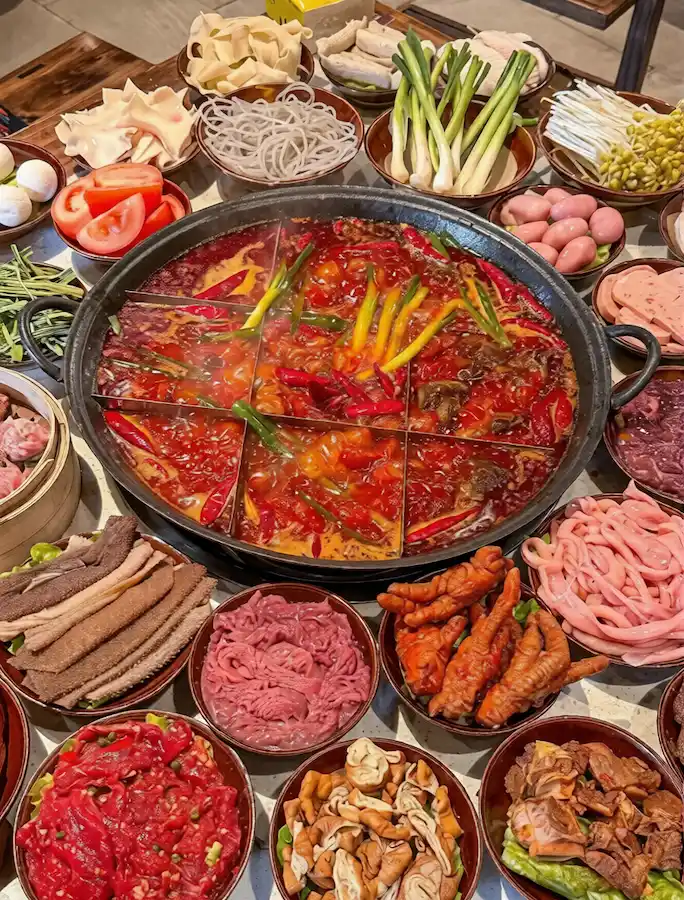
Hotpot: Chengdu hotpot has a rich, spicy broth. The rule of thumb? “Dip duck intestine and tripe seven up, eight down; pork throat should be crispy.”
Classic Dishes: Mapo Tofu (spicy and fragrant), Twice-Cooked Pork, Fuqi Feipian (sliced beef and offal in chili oil), Kung Pao Chicken (sweet, sour, slightly spicy).
Street Food: Dan Dan Noodles, Zhong Dumplings (sweet-spicy sauce), Long Chao Shou (wontons), Sour & Spicy Sweet Potato Noodles, Sugar Oil Fruit, Egg Pancakes.
Now, where should you eat?
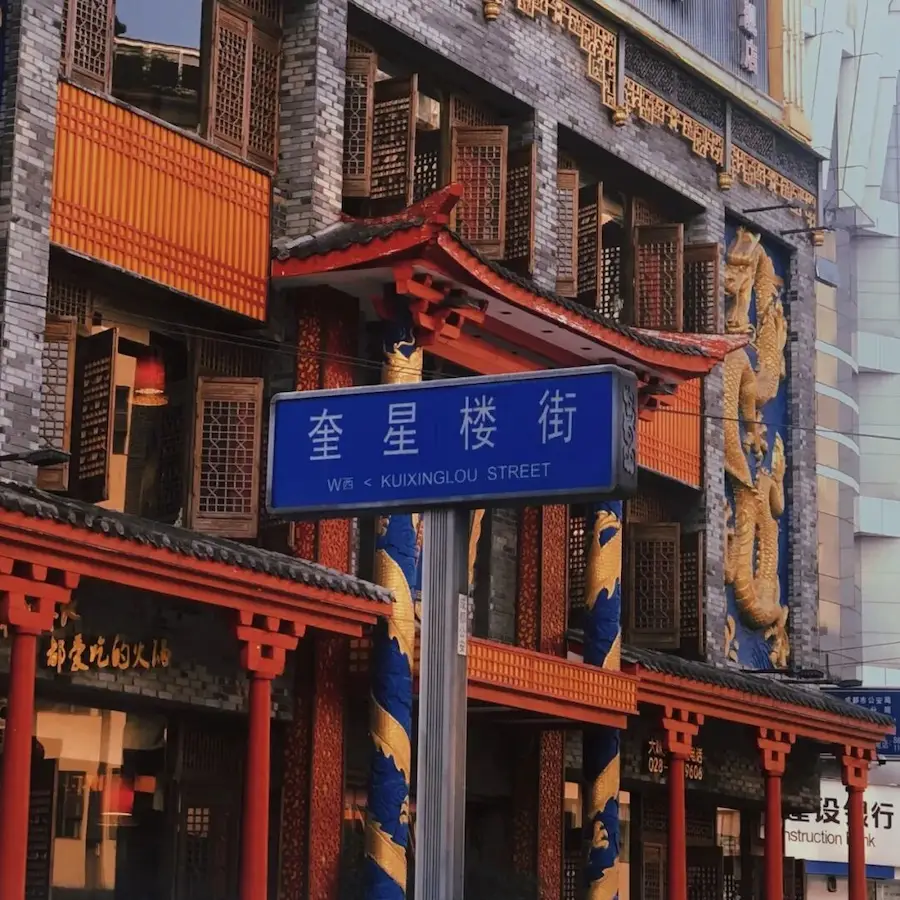
Head to streets like Kuixing Lou or Fuqi Night Market. You’ll find authentic, high-value spots like “Ye Popo” for bōbōjī or grilled sweet potato skin snacks.
A word of caution: snack stalls inside famous tourist lanes like Kuanzhai Alley or Jinli are often overpriced and less authentic. They’re great for photos, but for eating, follow the locals elsewhere.
Order several dishes to share, as portions can be large. Ask for “wei la” (mild spice) if you’re sensitive. Wash it all down with the local nut-based drink, Weiyi.
Echoes of the Past: History & Culture
Beyond pandas and food, what is Chengdu famous for historically? Delve into ancient Shu Kingdom relics and the legendary Three Kingdoms era.
Wuhou Shrine & Jinli Street
This is China’s only temple dedicated to both a ruler (Liu Bei) and his strategist (Zhuge Liang) from the Three Kingdoms period. Its winding red walls and bamboo shadows are iconic.
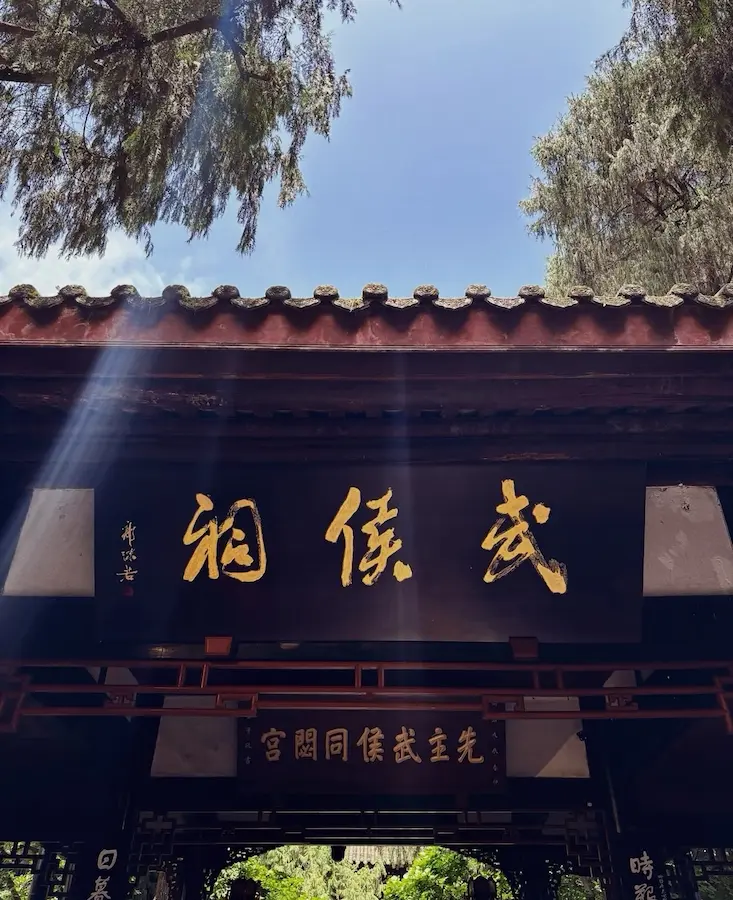
History buffs will love it. Adjacent Jinli is an ancient-style street best visited at dusk when red lanterns glow. Catch a Sichuan Opera face-changing show here or sip tea.
Du Fu Thatched Cottage
This serene garden museum was the home of the great Tang Dynasty poet, Du Fu, where he wrote over 240 poems.
It’s a peaceful, literary escape. Great for families (it’s in Chinese school textbooks). Bring mosquito repellent in summer.
Jinsha Site Museum vs. Sanxingdui Museum
Both showcase the mysterious ancient Shu civilization. Sanxingdui (in Guanghan City) is larger with more stunning, abstract artifacts but requires a 20-minute train ride plus a taxi. Jinsha is within Chengdu and easily accessible. Its “Sun Bird” gold foil artifact is the city’s symbol.
Short on time? Visit Jinsha. Deeply fascinated by ancient mysteries? Sanxingdui is worth the half-day trip.
Chengdu Museum (Free)
This is the perfect place for a quick history lesson. Must-sees include the Stone Rhinoceros and the Pottery Storytelling Figurine.
Book a free ticket online in advance. Try to catch the excellent free guided tours at 10:30 AM or 2:30 PM.
Living “Bashi”: The Art of Slow Living
“Bashi” means comfortable and content. It’s the city’s philosophy. Experiencing this relaxed pace is central to understanding what Chengdu is famous for.
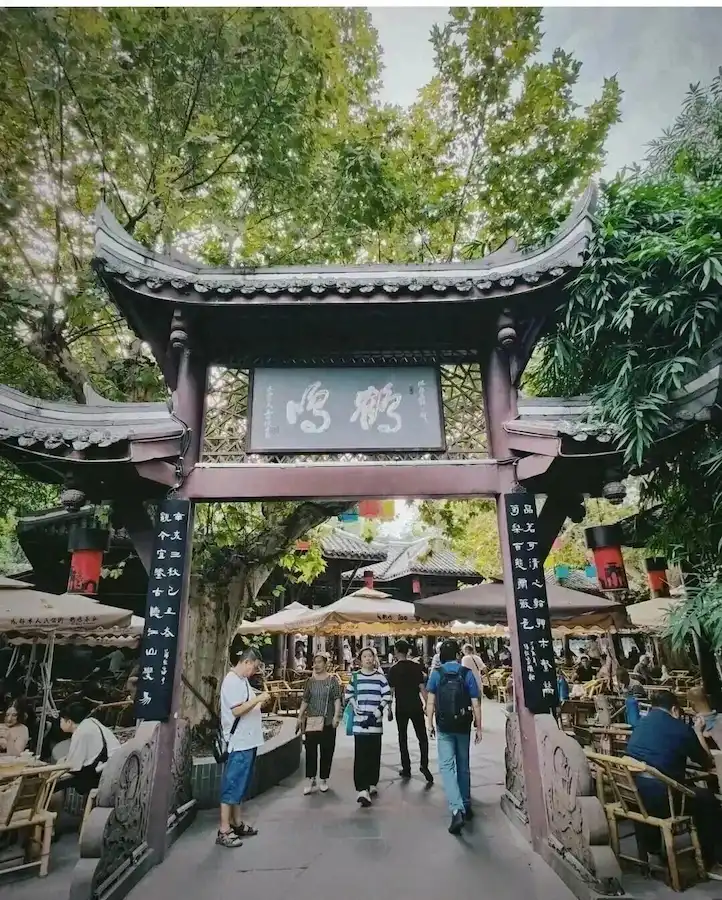
Visit a Tea House. The iconic Heming Tea House in People’s Park is packed with tourists. For a calmer vibe, try a tea house inside Huanhuaxi Park. For just ¥10-20 ($1.5-3), you can enjoy a bowl of tea for hours, watching locals chat and play mahjong. Try the local ear-cleaning service for a unique sensation.
See a Sichuan Opera. It’s more than just face-changing and fire-spitting. Look for shows that include acts like “Rolling the Lamp.” The Shuyi Theatre offers nightly 70-minute performances.
Stroll in a Park. Huanhuaxi Park, next to Du Fu’s Cottage, is beautiful for a walk. Blend history with relaxation.
Beyond the City: World Heritage Wonders
What is Chengdu famous for in its surroundings? The answer is world-class heritage sites.
Dujiangyan Irrigation System & Qingcheng Mountain (A perfect day trip).
The 2000-year-old Dujiangyan is a functioning hydrological wonder. Qingcheng Mountain is a serene Taoist birthplace.
Take a 30-minute train from Xipu Station to “Lidui Park.” Visit the Selfie Panda, then explore Dujiangyan (see the Fish Mouth, Flying Sand Weir, and Bottle-Neck Channel). Afterwards, a taxi can take you to Qingcheng’s front hills. Short on time?
Dujiangyan’s uniqueness wins.
Wear comfortable shoes and book train tickets ahead. For a different historical vibe, you can also explore places like the luocheng ancient town.
Modern Pulse: Fashion & Trendy Streets
Chunxi Road & Taikoo Li are Chengdu’s bustling, upscale shopping districts. Beyond global brands, the open-air, temple-style architecture of Taikoo Li is an attraction itself. Go to the IFS rooftop for a photo with the famous climbing panda. For more details on the best spots, check out our guide to shopping in chengdu.
Essential Travel Tips
Getting Around: The metro is your best friend. Avoid unmarked taxis at scenic spots; use the DiDi app instead. For trips to Dujiangyan or Sanxingdui, high-speed trains are fast and cheap.
Arrival: Shuangliu Airport is closer to downtown. Chengdu East Station is the main high-speed rail hub.
Stay: For help choosing the perfect base, our guide on where to stay in chengdu breaks down the best neighborhoods, from the convenience of Chunxi Road/Taikoo Li to the old-town charm near Kuanzhai Alley.
Plan Ahead: Book tickets online for museums and the panda base 3-5 days in advance during peak seasons.
Avoid Pitfalls: Be wary of cheap street-side “day tour” offers that often include hidden shopping stops.
Best Time to Visit: Spring (March-May) and Autumn (September-November) have the best weather.
Let Chengdu’s rhythm slow you down, its flavors warm you up, and its pandas simply melt your heart. Your own “Bashi” adventure awaits, answering for you personally what Chengdu is famous for.
This guide can become your real trip
Instead of spending hours piecing everything together, let me and our team build the perfect Chengdu itinerary for you — complete with panda visits, hot pot dinners, and the best local tea houses.
📋 Plan My Chengdu Trip